What Does “No Pasa Nada” Mean in Spanish?
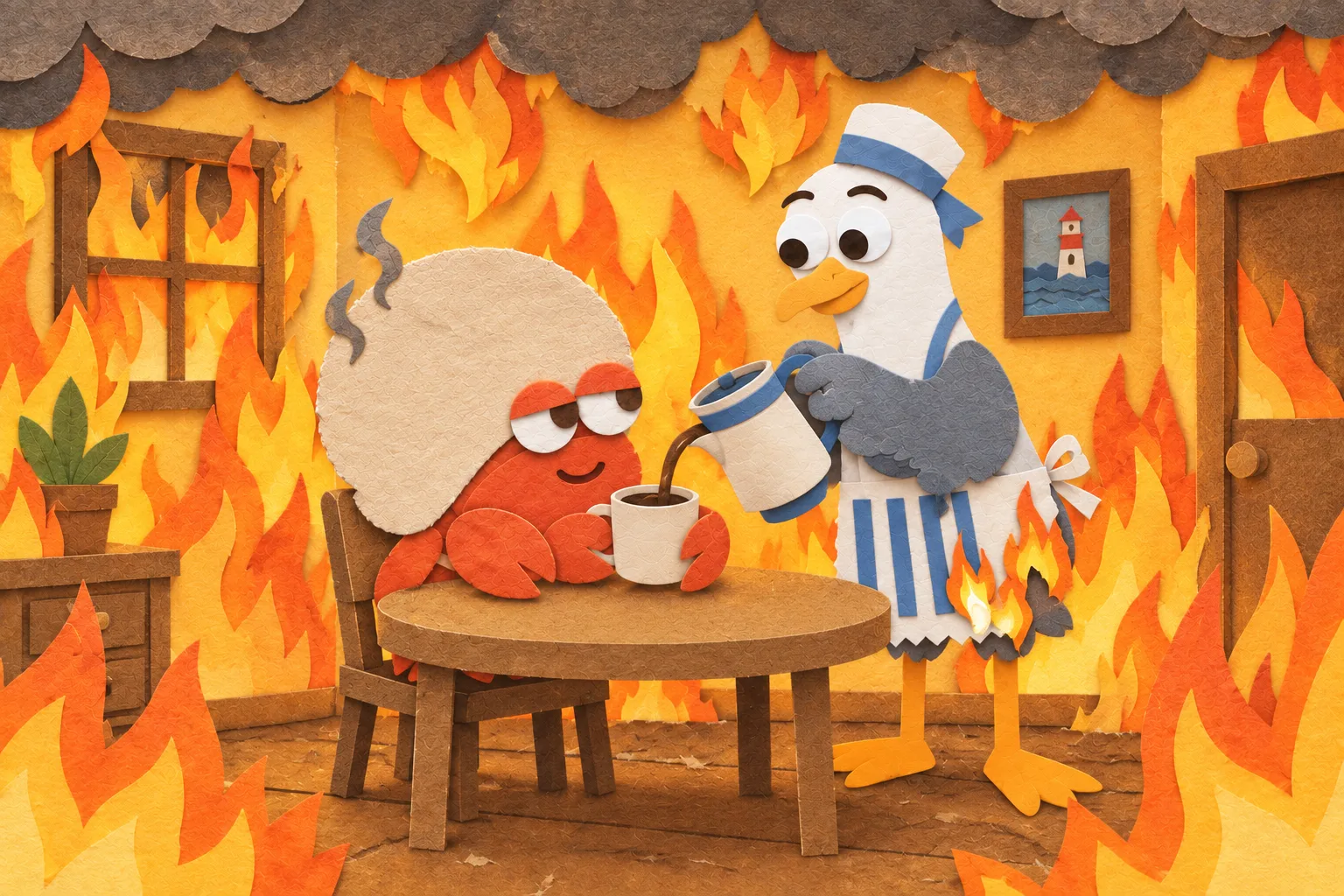
No pasa nada literally means “nothing happens,” and in everyday Spanish it means “It’s okay,” “No worries,” or “No big deal.” Say it when someone bumps into you, spills coffee, arrives a little late, or apologizes for a small mistake. Pronounced noh PAH-sah NAH-dah, it sounds calm and friendly across Mexico, Latin America, and Spain.
4 everyday situations where you’ll hear it
- Someone bumps into you or spills a drop: They say ¡Perdón! and you smile and answer No pasa nada. (“No worries!”)
- A friend shows up ten minutes late: Perdón por la tardanza. → No pasa nada, tranquilo. (“It’s all good, don’t stress.”)
- When a small plan falls through: No pasa nada, vamos mañana. (“No big deal, let’s go tomorrow.”)
- Checking in literally: Someone asks ¿Qué pasa? (“What’s going on?”) and you answer Nada, no pasa nada. (“Nothing’s wrong.”)
No pasa nada vs. similar phrases
| Spanish | Tone & nuance | Best English match |
|---|---|---|
| No pasa nada. | Calm, easygoing, universal | No worries / It’s all good |
| No te preocupes. | Warm reassurance (usted: No se preocupe) | Don’t worry about it |
| Está bien. | Direct acceptance | That’s fine / Okay |
| Ni modo. | Accepting bad luck or a closed shop (very Mexican) | Oh well / It is what it is |
Mexico, Latin America, and Spain
No pasa nada works identically everywhere Spanish is spoken. In Mexico you’ll often hear it paired with ahorita or no fue nada; in Spain people use it constantly too, alongside No te preocupes.
Questions
What does No pasa nada literally mean in English?
Literally “nothing happens.” Idiomatically it means “It’s okay,” “No worries,” or “It’s not a big deal.”
Is No pasa nada polite with strangers?
Yes. Because the verb (pasa) refers to the situation rather than the person, it works equally well with friends, coworkers, and strangers without switching between tú and usted.
Is No pasa nada used in both Mexico and Spain?
Yes—it is a staple phrase in both Mexican Spanish and Spain Spanish.
Checked November 29, 2026 · How we check our Spanish

Play “No pasa nada” in Neighbor · B1 inside Cobito.
Founding Neighbor · 1 month Plus free at launch
Walk into Caleta Nueva